How Long Does the Sandwich Generation Stage Last?
Real Estate for Seniors

Real Estate for Seniors
If you're in the sandwich generation, you've probably asked yourself: "How long am I going to be doing this?"
It's a fair question.
When you're juggling growing kids, aging parents, full-time work, and all the financial and emotional weight that comes with it, you naturally want to know if there's an end in sight.
The honest answer? It varies—a lot.
But understanding what affects the timeline can help you plan better, protect your assets, and avoid severe caregiver burnout along the way.
New to the sandwich generation concept? Start here:
👉 What It Really Means to Be in the Sandwich Generation
According to research from AARP, the overall national average for providing unpaid family care to an adult is 4.5 years.
But for sandwich generation families—those balancing kids or young adults alongside aging parents simultaneously—the timeline often stretches much further.
Here's how the numbers typically break down:
Active parenting/launching: 18 to 25+ years
Active eldercare: 3 to 5 years on average per parent
The overlap period (the "sandwich" phase): Typically spans 3 to 7 years of peak intensity
These are national averages. Your family's personal experience could look vastly different—especially here in the East Bay.
Several variables determine how long you'll be balancing both generations at once.
The single biggest variable is health.
Some families provide light, baseline support—managing groceries, driving to appointments—for a decade. Others face a sudden health crisis like a stroke or a fall that requires immediate, intensive care.
Cognitive conditions like dementia? They can extend intensive caregiving timelines significantly.
Kids aren't leaving the nest permanently at 18 anymore.
Data from Pew Research Center shows that the percentage of young adults aged 25–34 living with their parents has hit its highest rate since the 1940s.
In high-cost regions like Concord and the broader Bay Area, adult children frequently stay home longer or require ongoing financial support for:
College tuition and student loan assistance
Saving up for a first apartment deposit
Navigating early career transitions
According to localized cost-of-living data from Salary.com, the overall cost of living in Concord is 32% higher than the national average.
With local expenses elevated across the board, families are forced to stretch their savings across three generations for longer periods—often delaying their own retirement savings to absorb the costs.
If you're wondering whether housing stress is making things worse:
👉 Why Housing Is the Biggest Stress for Sandwich Generation Families
Your physical living situation dictates your endurance.
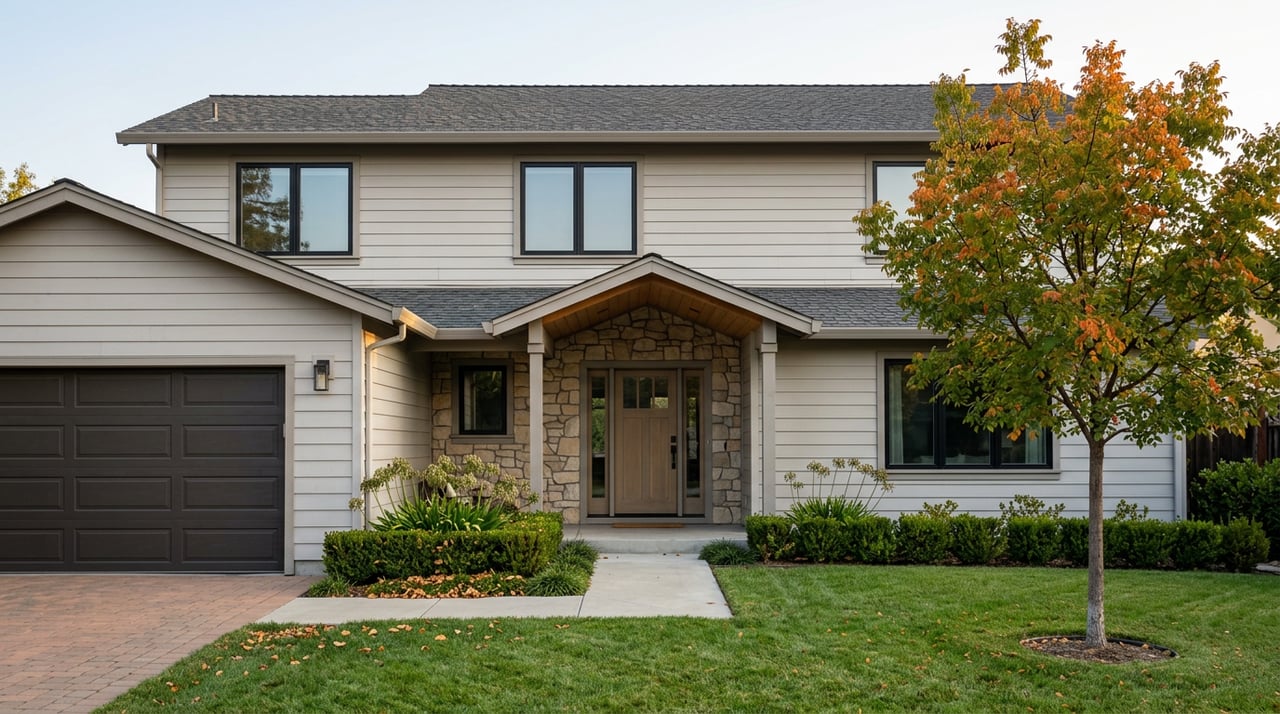
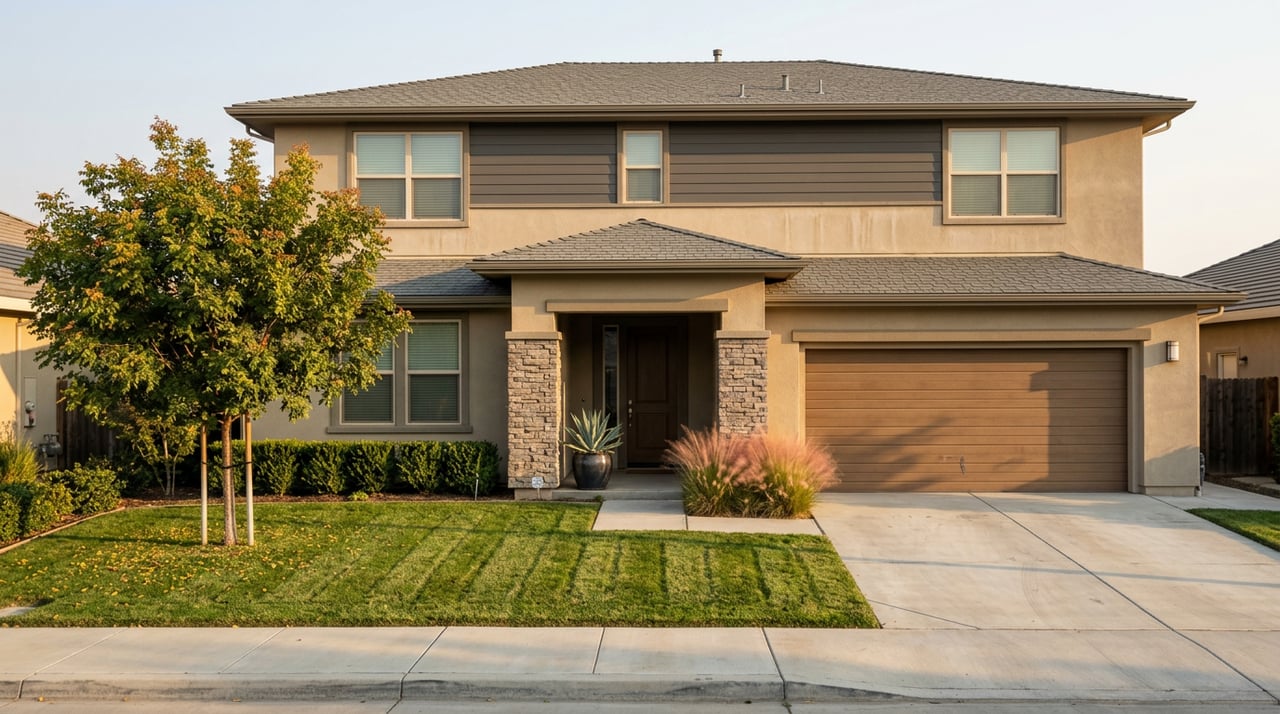
A traditional two-story home with all bedrooms upstairs might shorten your ability to care for a parent at home due to immediate safety and mobility risks.
Conversely, homes optimized for multigenerational living—properties with downstairs bedroom suites or separate entrances—allow families to sustain the arrangement comfortably for much longer.
The sandwich generation isn't one flat experience. It evolves through distinct stages.
Children are still in grade school or high school. Parents live independently but are beginning to show early signs of needing assistance—driving, home maintenance, managing medical appointments.
Not sure if you're entering this phase?
👉 Common Signs Your Family Is Entering the Sandwich Generation Phase
This is the high-stress zone where maximum dual responsibility collides.
Children are navigating college or trying to launch a career, while parents require daily, intensive physical or cognitive care.
Financial and emotional pressure peaks here. This is where caregiver burnout hits hardest.
Adult children achieve financial autonomy and establish their own households, while parent care responsibilities either transition into full-time professional care settings or conclude.
According to a study on sandwich caregiving by the National Alliance for Caregiving, 80% of sandwich generation caregivers provide care for 5 years or less, averaging just 3.1 years.
Why so short?
Because they hit peak burnout fast, or their parents transition to higher-level care sooner than expected.
This concentrated timeline is exactly why strategic housing planning can't wait.
When you only have a 3-5 year window before something breaks—your health, your finances, or your family dynamics—you need a sustainable setup from day one.
Because the peak sandwich phase often lasts up to seven years, relying on temporary housing band-aids—like turning a formal dining room into a makeshift bedroom—frequently leads to household tension and safety hazards.
If you're looking ahead at a multi-year caregiving timeline, your real estate strategy needs to pivot toward long-term sustainability.
Local families in Contra Costa County are increasingly focusing on flexible properties that can adapt over time:
Dual Primary Suites Homes that provide two large, private bedrooms with attached bathrooms, ensuring dignity and privacy for everyone.
Accessory Dwelling Units (ADUs) Building a permitted backyard cottage or converting a garage. The California Department of Housing and Community Development has streamlined ADU regulations, making it easier than ever to build a separate space that keeps parents close while preserving independent living boundaries.
Strategic Downsizing Selling a parent's large, high-maintenance multi-story property to purchase a single-story home closer to your primary residence—before an unexpected medical emergency forces a rushed decision.
The families who navigate the sandwich generation most successfully are those who refuse to wait for a crisis to occur.
They:
Plan ahead
Establish clear emotional and financial boundaries
Align their real estate holdings to support multiple generations comfortably
They don't wait until Mom falls down the stairs or until they've burned through their retirement savings trying to patch together a temporary solution.
So, how long does the sandwich generation stage last?
For the majority of local households, expect a window of 3 to 7 years of peak, simultaneous caregiving intensity.
Because that window is concentrated and intense, the question isn't really "how long will this last?"
It's "am I set up to handle it sustainably?"
If your family is trying to navigate housing options for the long haul anywhere in Concord, Walnut Creek, or Pleasant Hill, we specialize in making these transitions smooth and stress-free.
Explore your options early.
👉 Book a strategy consultation with our Senior & Sandwich Generation Real Estate Concierge Services to discover how we can help design a real estate plan tailored to your family's unique multi-generational journey.
Disclaimer: This information is for general purposes only and should not be considered financial or legal advice. Consult with qualified professionals for personalized guidance.
Questions about multigenerational housing in Concord? Reach out at 925-588-1111 or [email protected].
Stay up to date on the latest real estate trends.

Real Estate for Seniors
How rising housing costs, caregiving responsibilities, and multigenerational living are reshaping family life in Concord and Contra Costa County
Real Estate for Seniors
Understanding the timeline for caring for aging parents and adult children in Concord and Contra Costa County
You’ve got questions and we can’t wait to answer them.