Multigenerational Living Options In Concord
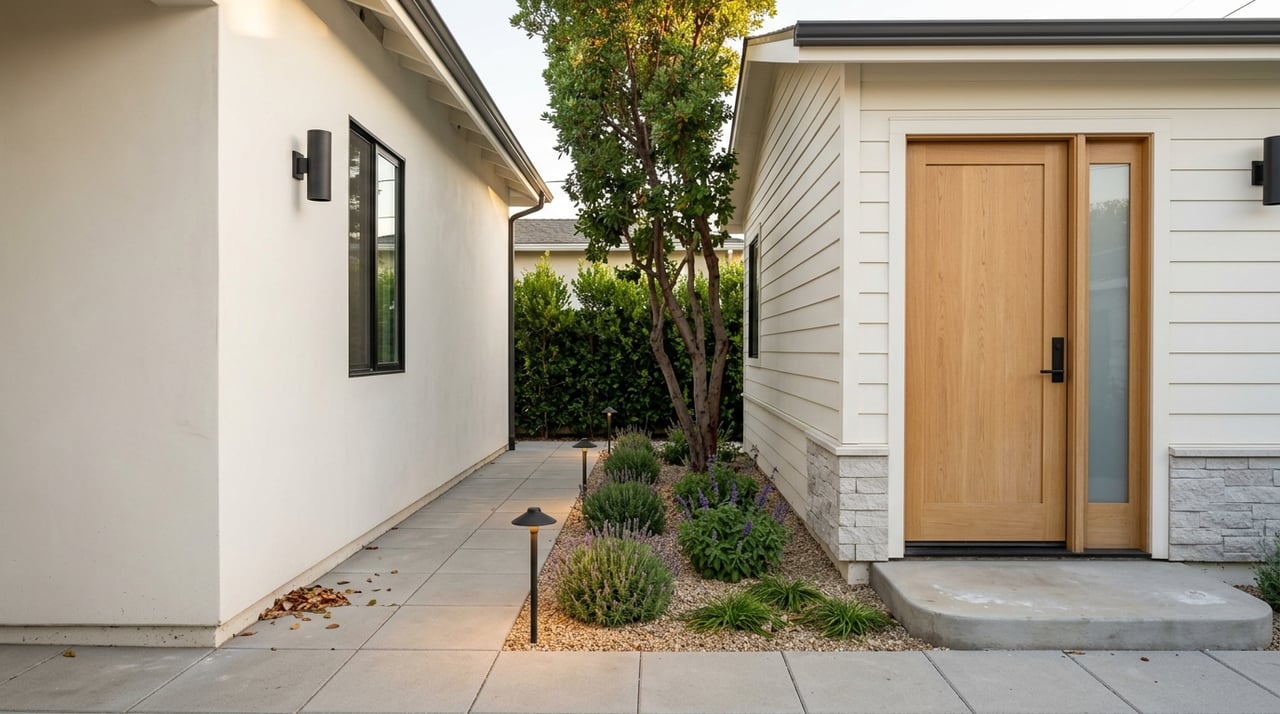
If you are thinking about multigenerational living in Concord, you are not alone. Whether you want more privacy for aging parents, space for adult children, or a smarter long-term housing setup, the right property can make a big difference. In Concord, that conversation often comes down to ADUs and JADUs, and understanding the local rules can help you plan with more confidence. Let’s dive in.
Multigenerational living is not a fringe idea. Nationally, 7.2% of family households were multigenerational in 2020, which shows this setup is a familiar option for many families.
In Concord, the local housing mix also makes this topic especially relevant. The city’s population estimate is 123,261 as of July 1, 2025, with 21.3% of residents under 18 and 16.4% age 65 or older. That age spread can create real demand for homes that work for more than one generation at a time.
Concord is also a city where many households already own their homes. The owner-occupancy rate is 61.6%, and the median owner-occupied home value is $797,600. With median monthly owner costs of $2,990 for homes with a mortgage and median gross rent of $2,274, many buyers and owners are looking for ways to make housing work harder for their family needs.
In Concord, multigenerational living is often an ADU or JADU conversation. The city defines an ADU as a self-contained secondary home on the same lot as a principal dwelling, while a JADU is a smaller unit created within a single-family home or garage.
You may also hear these called in-law units or granny flats. For families who want togetherness with some independence, these setups can offer a practical middle ground. They can create separate entrances, more privacy, and a clearer day-to-day rhythm for everyone under one property.
Single-family properties are usually the clearest fit for multigenerational planning in Concord. On a property with an existing or proposed single-family dwelling, Concord allows one ADU and one JADU, subject to local rules.
That makes certain homes more attractive than others when you are house hunting. In many cases, the best candidates are not always the biggest homes. They are the homes with the most adaptable layout and lot features.
Homes with an existing garage, carport, or accessory structure can be strong candidates. Concord allows conversion ADUs, and garage or carport conversions may avoid the normal parking requirement.
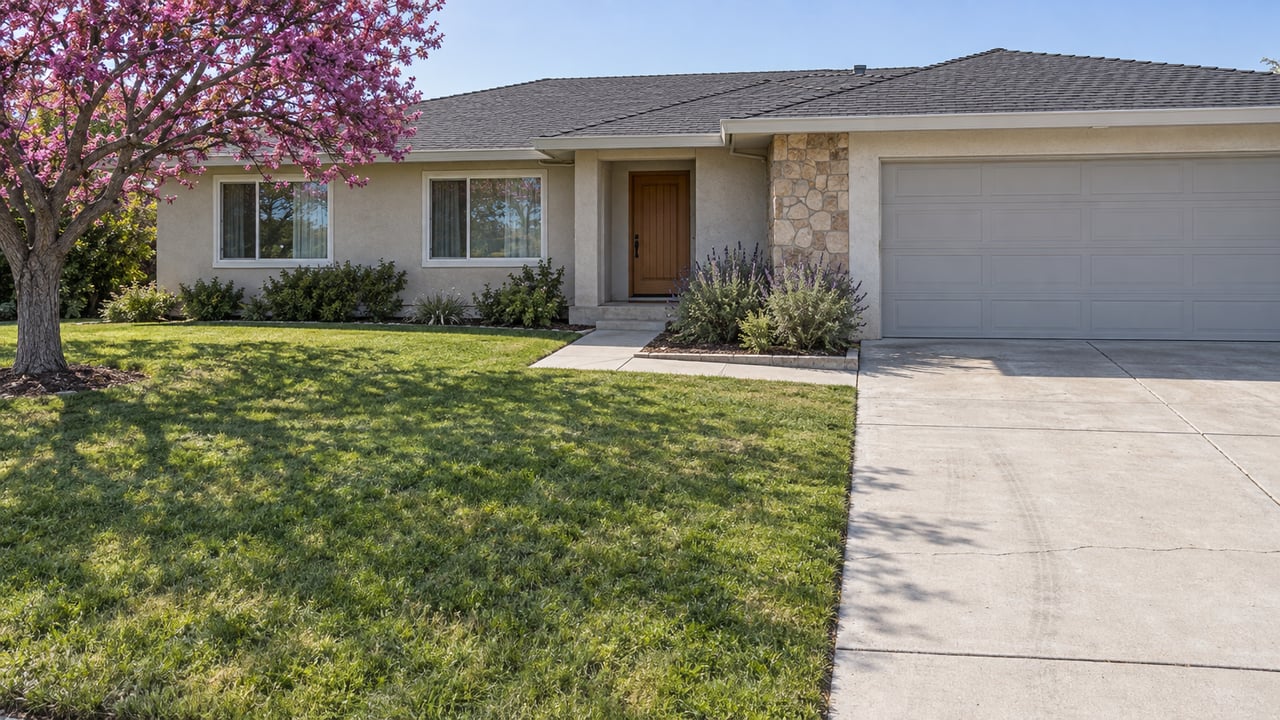
Ground-floor flex space can also be useful. In practical terms, one-story ranch homes often adapt well because they tend to have simpler layouts and easier access points for a separate unit.
If you are thinking about a new detached ADU, lot layout matters. Concord generally requires 4-foot interior side and rear setbacks for new detached ADUs and additions, so side-yard and backyard space can be a major advantage.
Front and corner-side setbacks may still apply in many cases. That means a lot that looks large at first glance may still need careful review before you assume a detached unit will fit.
Concord’s housing stock creates opportunity here. The city’s 2025/30 Consolidated Plan says 73% of homes were built from 1950 to 1979, and 6.5% were built before 1950.
Many of these homes were built on suburban lots with garages, driveways, and layouts that may be worth exploring for conversion or expansion potential. If you are buying with multigenerational living in mind, that older inventory can open up more options than a standard bedroom count might suggest.
The most important step is understanding what the city actually allows. On a single-family lot, the basic maximum is one ADU plus one JADU. On multifamily lots, Concord also allows ADUs through separate conversion, attached, and limited detached pathways.
That does not mean every parcel works the same way. Zoning, setbacks, parking, height, and building type all affect what may be possible.
An ADU is a self-contained secondary home. A JADU is smaller and more limited.
In Concord, a JADU can be no more than 500 square feet and must be contained within a single-family principal dwelling or garage. It must include an efficiency kitchen, have a separate exterior entrance, and provide bathroom access.
JADUs also come with an owner-occupancy rule. Either the JADU or the single-family principal dwelling must be owner-occupied, and a deed restriction is required before a certificate of occupancy is issued.
Parking is often one of the biggest practical questions. JADUs require no parking.
For ADUs, Concord generally requires one off-street parking space, but there are several important exceptions. Parking is not required in common situations such as garage or carport conversions, when the ADU is within one-half mile of a public transit station or stop, or when the unit is created within the principal dwelling except for additions.
Detached ADUs can be up to 16 feet tall, with limited higher allowances in some cases. Attached ADUs can be up to 25 feet tall and no more than two stories.
For nonexempt ADUs, the city generally requires the unit to match the main home’s roof pitch, form, siding materials, and colors. So even when the project is allowed, design compatibility can still shape the final plan.
Concord has an exemption pathway that can make some projects more straightforward. Detached ADUs of 800 square feet or less, with compliant height and 4-foot side and rear setbacks, are exempt from many local development standards.
Conversions of existing interior space or legally constructed additions can also qualify for simpler treatment in certain cases. For many families, that means a smaller unit may be easier to approve and easier to fit onto a property.
This is one reason compact layouts can be so appealing for multigenerational living. You may not need a large second home to create meaningful independence and comfort.
One of Concord’s most useful local tools is its free pre-approved ADU plan program. The city says these plans can reduce design and permit costs, and reduced plan-review fees apply for pre-approved ADUs.
If the site plan and documents are complete, permits may be issued within five working days. That can remove a lot of uncertainty for buyers and homeowners who want a clearer path from idea to action.
The city offers six pre-approved plan types ranging from about 200 to 900 square feet. That includes a two-bedroom, one-bath plan at 874 square feet, which may be especially useful if you are planning for more than one occupant.
The plans can be mirrored or oriented differently. However, if you want design changes, those require a separate permit and are not eligible for the expedited path.
Concord currently advertises an ADU rebate of up to $15,000 for detached ADU permit applicants and for projects already in applied or approved status. The program is first come, first served, and applications must be submitted before September 30, 2026.
For some families, that kind of local support can make the numbers feel more manageable. It is still important to review the full project scope, but rebate programs can be a helpful part of the planning process.
If you are shopping for a home with multigenerational living in mind, it helps to look beyond bedrooms and square footage. A home can feel ideal at first, but the lot and code details are what determine whether your plan is realistic.
Here are a few things worth checking early:
Concord directs property owners and buyers to verify zoning, permits, and fees through the city’s Public Data Parcel Viewer or PermitPal. That step matters because ADU potential should never be assumed from a listing description alone.
In Concord, the permit path matters almost as much as the floor plan. The city says both homeowners and contractors may apply, and it recommends an optional planner meeting.
That early meeting can help you identify issues before you spend more time or money. City staff also note that the planner meeting may lead to expedited approval.
You should also check with utility districts about possible connection fees or line upsizing. These practical details can affect both timeline and budget, especially if you are comparing several properties.
The best multigenerational property is not always the one with the most space. Often, it is the one that gives you the clearest legal path to privacy, accessibility, and long-term flexibility.
In Concord, that usually means looking closely at single-family homes with usable garage space, flexible interior layouts, or lots that can support a small detached unit without major site work. When you combine that with the city’s pre-approved plans and local rebate program, some properties stand out quickly as stronger candidates.
If you are weighing a move for aging parents, adult children, or your own future planning, a calm, local strategy goes a long way. The goal is not just finding a house that works today. It is finding one that can support the way your family may live tomorrow.
If you want help identifying Concord homes with realistic multigenerational potential, Realm Real Estate can help you evaluate layouts, lot features, and next-step planning with a local, practical approach.
Stay up to date on the latest real estate trends.

Real Estate for Seniors
How rising housing costs, caregiving responsibilities, and multigenerational living are reshaping family life in Concord and Contra Costa County

Real Estate for Seniors
Understanding the timeline for caring for aging parents and adult children in Concord and Contra Costa County
You’ve got questions and we can’t wait to answer them.