What It’s Like To Live In San Ramon
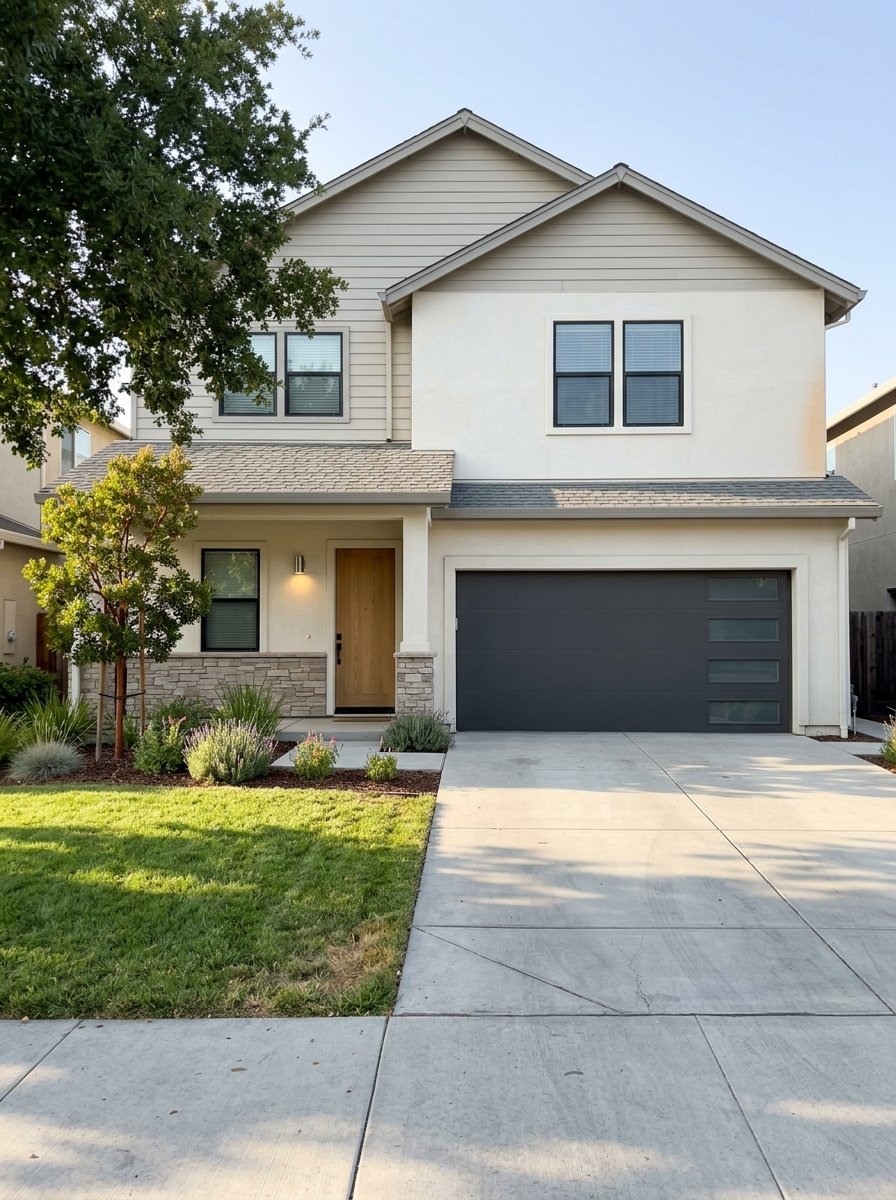
Wondering whether San Ramon feels like the right fit for your next move? If you are looking for a place with a suburban pace, strong everyday convenience, and a housing market that leans upscale, San Ramon stands out in the East Bay. Here’s what daily life, housing, commuting, and local amenities are really like so you can decide whether this Contra Costa County city matches your goals. Let’s dive in.
San Ramon is a city in Contra Costa County with an estimated population of 86,209. It sits about 35 miles east of San Francisco and 30 miles north of Silicon Valley, which helps explain why it appeals to people who want suburban living with access to major job centers.
The overall feel is more suburban than urban. The city has a 70.9% owner-occupied housing rate, an average household size of 2.85, and about 25.8% of residents are under 18, all of which point to a community shaped by longer-term homeowners and everyday residential life.
One of the biggest things people notice about San Ramon is how organized it feels. A lot of the city’s growth came through specific plans like Dougherty Valley, Northwest, Westside, and San Ramon Village, so many areas feel intentionally laid out rather than built in patches over time.
That planning history goes back even further. Bishop Ranch was originally envisioned as a new town with housing, green belts, stores, and light industry, and that legacy still shows up in the city’s layout and rhythm today.
Instead of a traditional historic downtown, San Ramon’s modern center is tied more closely to Bishop Ranch and City Center. That gives the city a mixed-use hub for shopping, dining, offices, and entertainment, while many residential areas keep a quieter neighborhood feel.
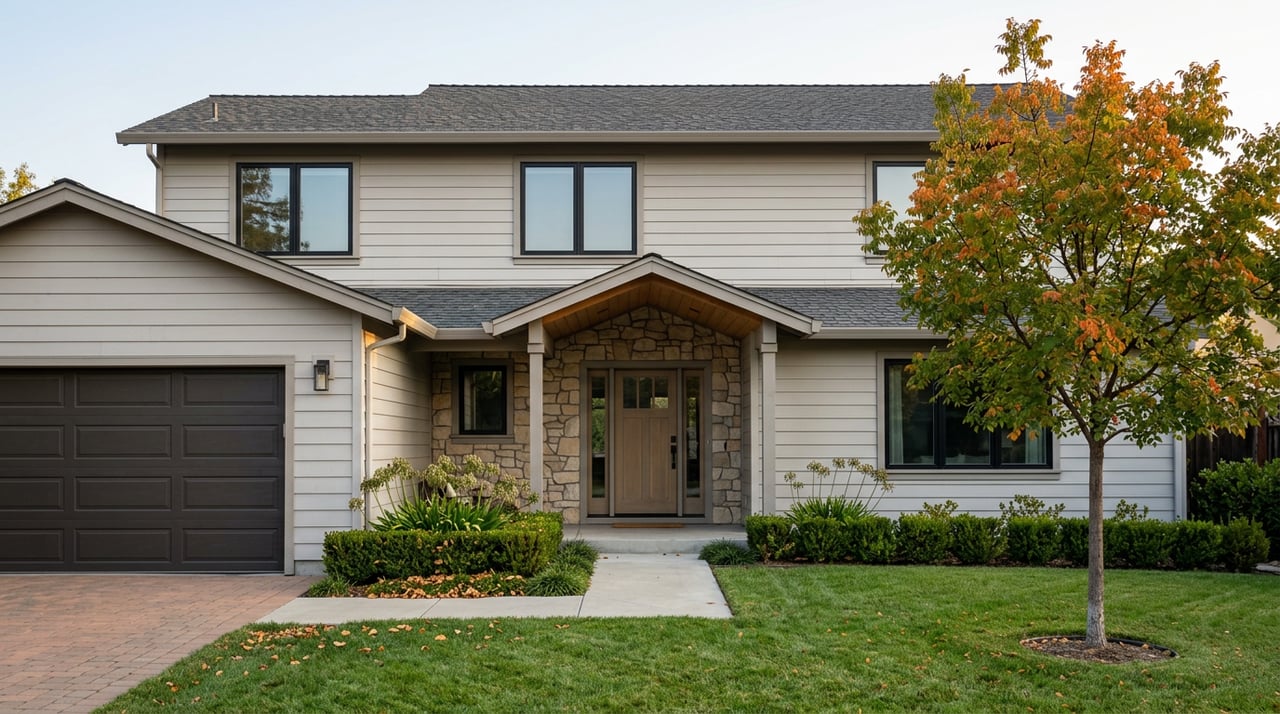
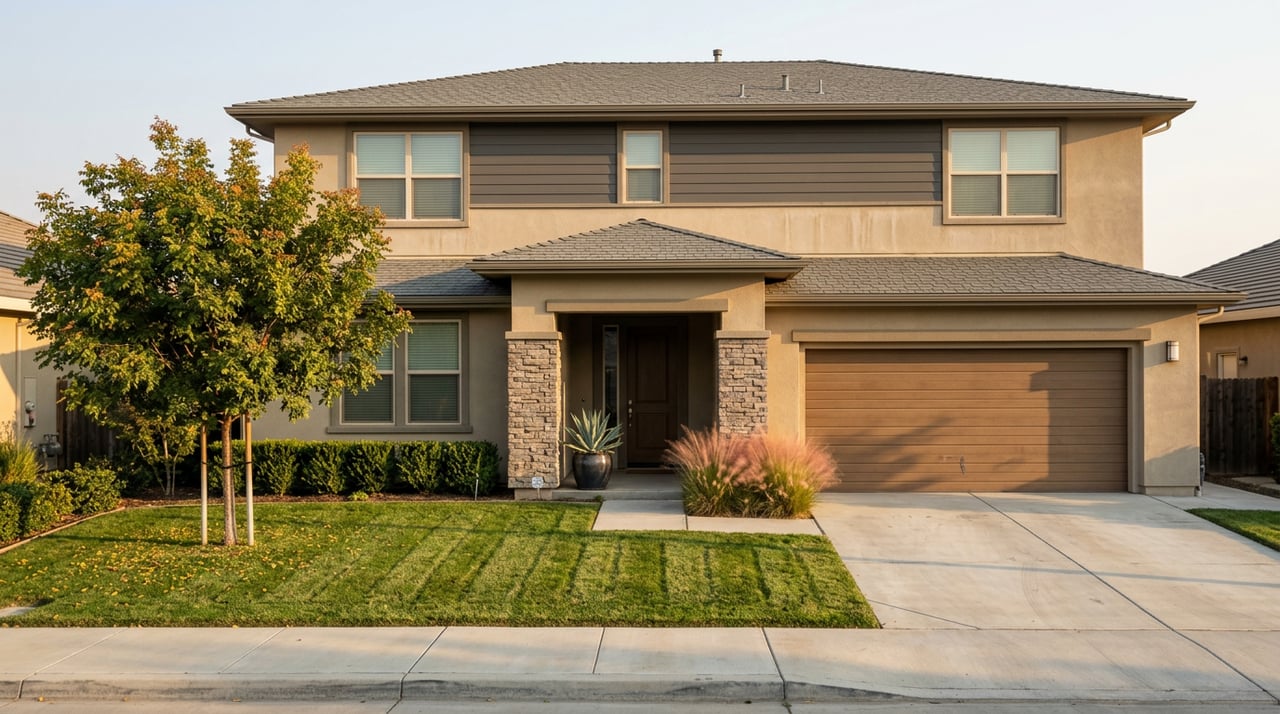
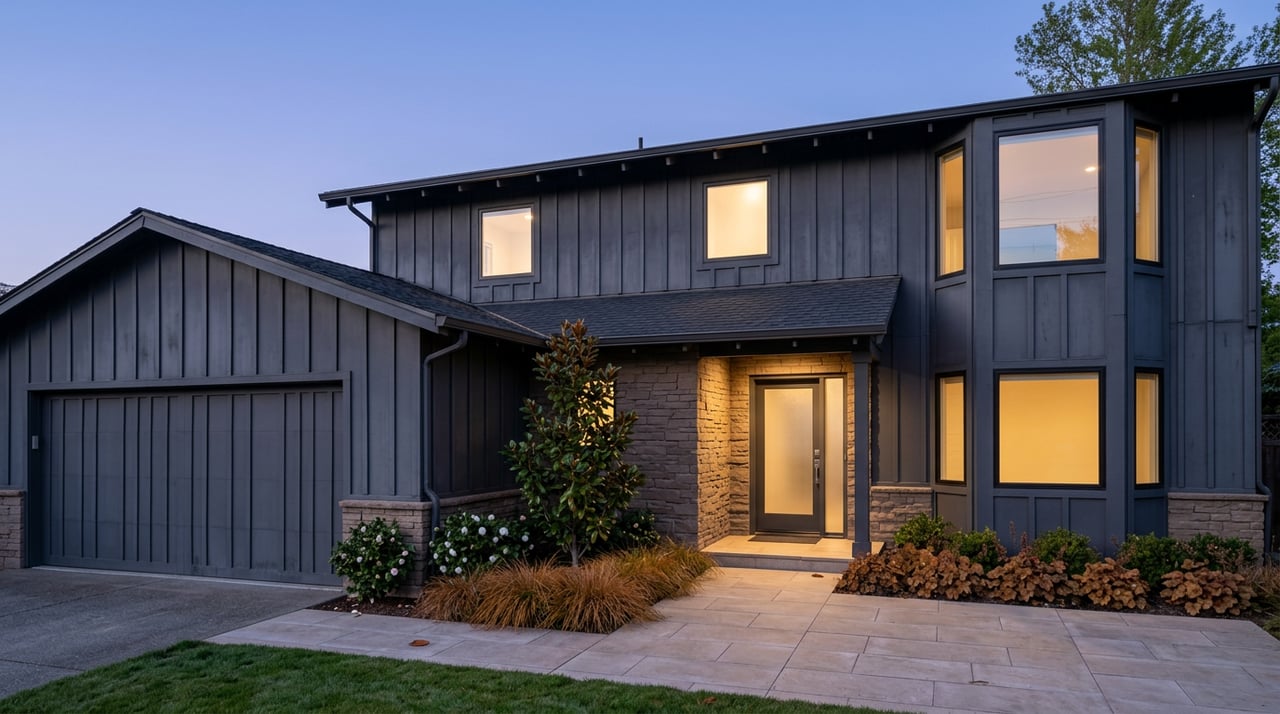
If you picture San Ramon as all large single-family homes, that is only part of the story. The city does have a strong single-family presence, with 63% of housing units categorized as single-family detached, but it also includes single-family attached homes and multifamily options.
According to the city’s housing data, 11% of units are single-family attached, 4% are multifamily with two to four units, and 23% are multifamily with five or more units. That makes the housing stock more varied than many people expect from a suburban East Bay market.
This can be helpful if you are searching with different goals in mind. You may find condos, townhomes, apartments, and detached homes, especially in newer planned areas and mixed-use projects connected to the Bishop Ranch area.
San Ramon is generally a premium suburban market. The median owner-occupied home value is $1,509,500, the median gross rent is $2,968, and the median monthly owner cost with a mortgage is $4,000 or more.
For many buyers, that means San Ramon is usually not an entry-level price point. It often makes the most sense for buyers who are prioritizing location, space, a suburban setting, or a move that supports a longer-term lifestyle plan.
The housing picture is still evolving. Bishop Ranch’s residential plans include homes ranging from studio apartments to single-family homes, with 1,000 homes underway and 8,000 planned, which adds more variety to the city’s future inventory.
For buyers, that can mean a broader mix of home types than you might expect in a city known mostly for suburban neighborhoods. For sellers, it is also a reminder that understanding micro-location and property positioning matters in a market with multiple housing formats.
San Ramon is very much a commuter city, but not in a way that feels unusual for nearby suburbs. The mean commute time is 34.7 minutes, which is close to Pleasanton at 34.3 minutes, Dublin at 37.8 minutes, and Danville at 32.5 minutes.
Daily transportation is still largely freeway-oriented. San Ramon offers easy access to I-680 and I-580, and many residents use a drive-first or park-and-ride routine rather than walking to a rail station within the city.
The San Ramon Transit Center supports that setup with parking for carpools, vanpools, and buses. County Connection bus service links riders to Dublin/Pleasanton and Walnut Creek BART, and Route 92x connects to ACE in Pleasanton.
If you are comparing East Bay cities, this is an important lifestyle point. San Ramon can work well if you are comfortable with freeway access and regional transit connections, but it does not function like a rail-centered city.
San Ramon’s outdoor network is one of the clearest parts of its identity. The city lists 59 parks, and its trail system is designed to help connect neighborhoods, parks, schools, public facilities, and open space.
The Iron Horse Trail is a standout feature in everyday life. It runs 4.5 miles through San Ramon as a flat, paved route that connects residential and commercial areas, public transportation, and other regional trails.
That kind of infrastructure shapes how the city feels. Even if you are not looking for a major hiking destination, having easy access to parks and paved trail space can make day-to-day routines more flexible and enjoyable.
Forest Home Farms Historic Park adds another layer to the city’s character. It preserves and interprets the agricultural history of the San Ramon Valley while also functioning as a public park and outdoor museum.
For residents, that helps balance San Ramon’s newer, master-planned identity with a visible connection to the area’s earlier history. It is a small but meaningful part of the local texture.
For shopping and dining, City Center Bishop Ranch is the city’s clearest focal point. The city describes it as 300,000 square feet of retail, dining, and entertainment, anchored by THE LOT and Equinox.
More broadly, Bishop Ranch includes 5 million square feet of office space, 1 million square feet of retail and entertainment, more than 50 acres of open space, and thousands of planned homes. That concentration gives San Ramon a central activity zone even without a traditional downtown core.
In practical terms, this means many errands, meetups, and casual outings can feel convenient and centralized. That is part of what makes living in San Ramon feel polished and easy to navigate.
Compared with Oakland or Berkeley, San Ramon feels less dense and more residential. San Ramon has a density of 4,528 people per square mile, which is much lower than Berkeley at 11,917.3 and Oakland at 7,878.4.
It also has a much higher owner-occupied rate than those cities. San Ramon is at 70.9%, compared with 42.3% in Oakland and 44.2% in Berkeley, which supports a more homeowner-heavy suburban feel.
In everyday lifestyle terms, San Ramon is often a closer match to Pleasanton and Dublin. It shares similar commute patterns and suburban rhythms, while Danville tends to be even more owner-heavy and somewhat higher-priced.
Price also reflects that position. San Ramon’s median owner value of $1,509,500 is close to Pleasanton at $1,537,100 and below Danville at $1,681,700, while remaining higher than Oakland and Hayward.
San Ramon can be a strong fit if you want a suburban environment with a planned feel, a robust parks and trails network, and a central shopping and dining hub. It may also appeal to you if you want a mix of home types rather than a city made up of only one housing style.
It can be especially worth a closer look if you are weighing a move tied to changing family needs. Whether you are upsizing, downsizing, planning for multigenerational living, or trying to balance commute access with day-to-day convenience, San Ramon offers a lot to compare thoughtfully.
The main tradeoff is cost. If San Ramon is on your list, it helps to go in with a clear sense of budget, housing priorities, and how much you value its particular blend of suburban structure and convenience.
If you are trying to figure out whether San Ramon fits your next chapter, talking through the tradeoffs with a local team can make the decision much clearer. Realm Real Estate is here to help you explore San Ramon and nearby East Bay options with calm, practical guidance.
Stay up to date on the latest real estate trends.

Real Estate for Seniors
How rising housing costs, caregiving responsibilities, and multigenerational living are reshaping family life in Concord and Contra Costa County

Real Estate for Seniors
Understanding the timeline for caring for aging parents and adult children in Concord and Contra Costa County
You’ve got questions and we can’t wait to answer them.